


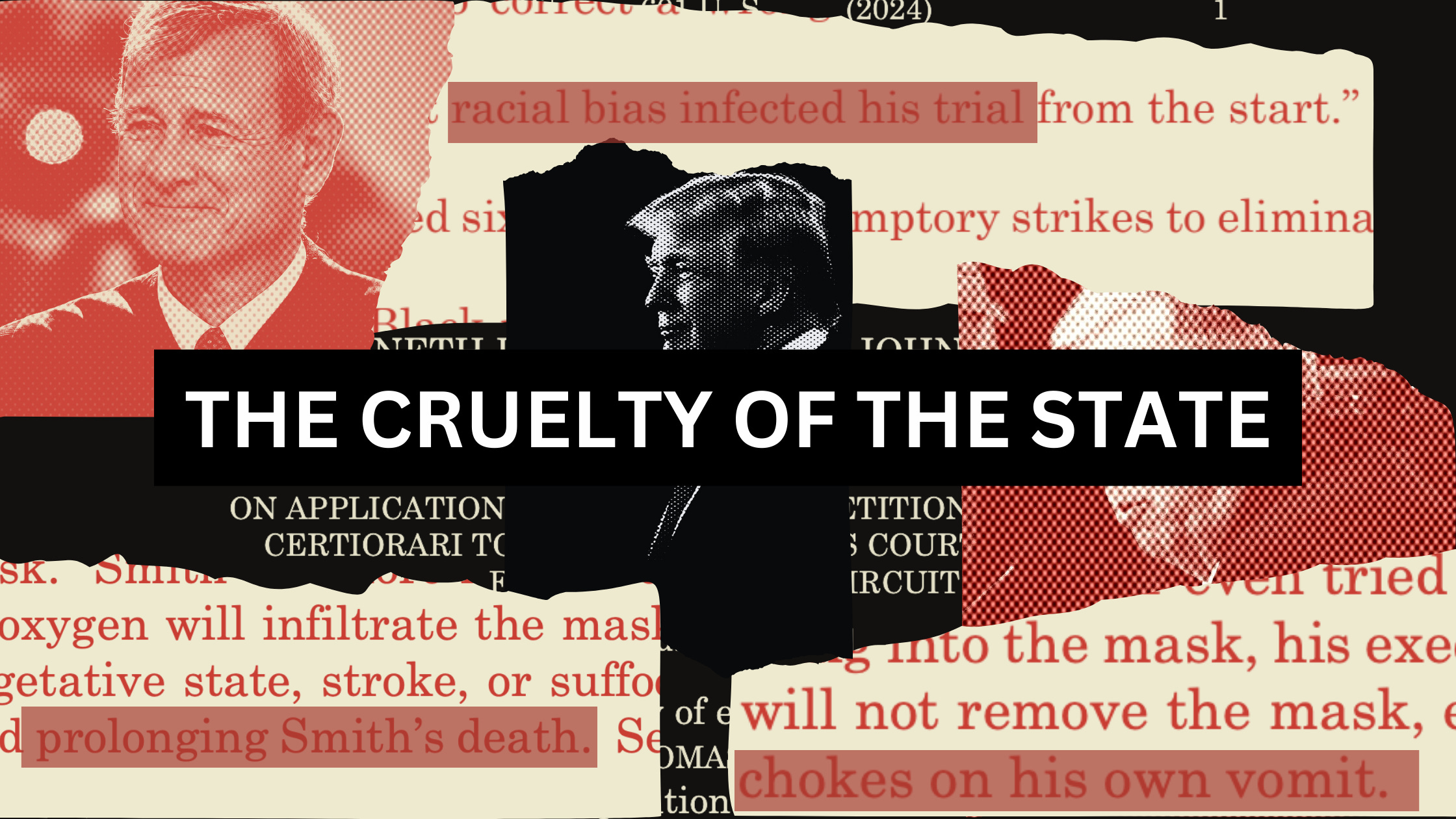
How does society lay justice upon those who commit the most heinous crimes?
In Germany and many other countries, the most severe punishment is the so-called “life sentence”. With it, murderers and other criminals are banished behind bars for the rest of their lives. No matter how vile the crime, this is the state's final and most severe option for justice.
There is, however, a different form of punishment. One that is still being used by 54 countries around the world and that goes far beyond any form of sentencing: The death penalty. This is the first of a series of essays outlining how the most outdated form of justice is still in place around the world as a cruel and violent injustice.
An Overview
137 countries in the United Nations have either completely or de facto abolished the death penalty. There are many reasons for this development. The most notable arguments against the death penalty include ethical conflicts about state-sanctioned murder and the problem of a non-perfect justice system, which means that all systems have flaws and that there will always be wrongful convictions. Those convictions can be overturned, and the wrongfully jailed released. The death penalty, however, eradicates this possibility since executed prisoners can no longer be set free. It makes flawed convictions much more tragic. 1
Before we dive into the cruelty that is still happening around the world, some progress should be highlighted. Germany abolished the death penalty in 1949 (then West Germany). Its abolishment is part of the constitution. Over the last decades, the European continent has moved away from capital punishment. The European Court of Human Rights found the death penalty violated core rights and its abolishment is now mandatory for all countries applying to join the EU.
However, a third of the UN still uses the death penalty as of 2024. The latest data by Amnesty International suggests that 16 of these countries were responsible for at least 1153 worldwide executions in 2023. This marks an increase of 31% from 2022 and the highest number since 2015.2
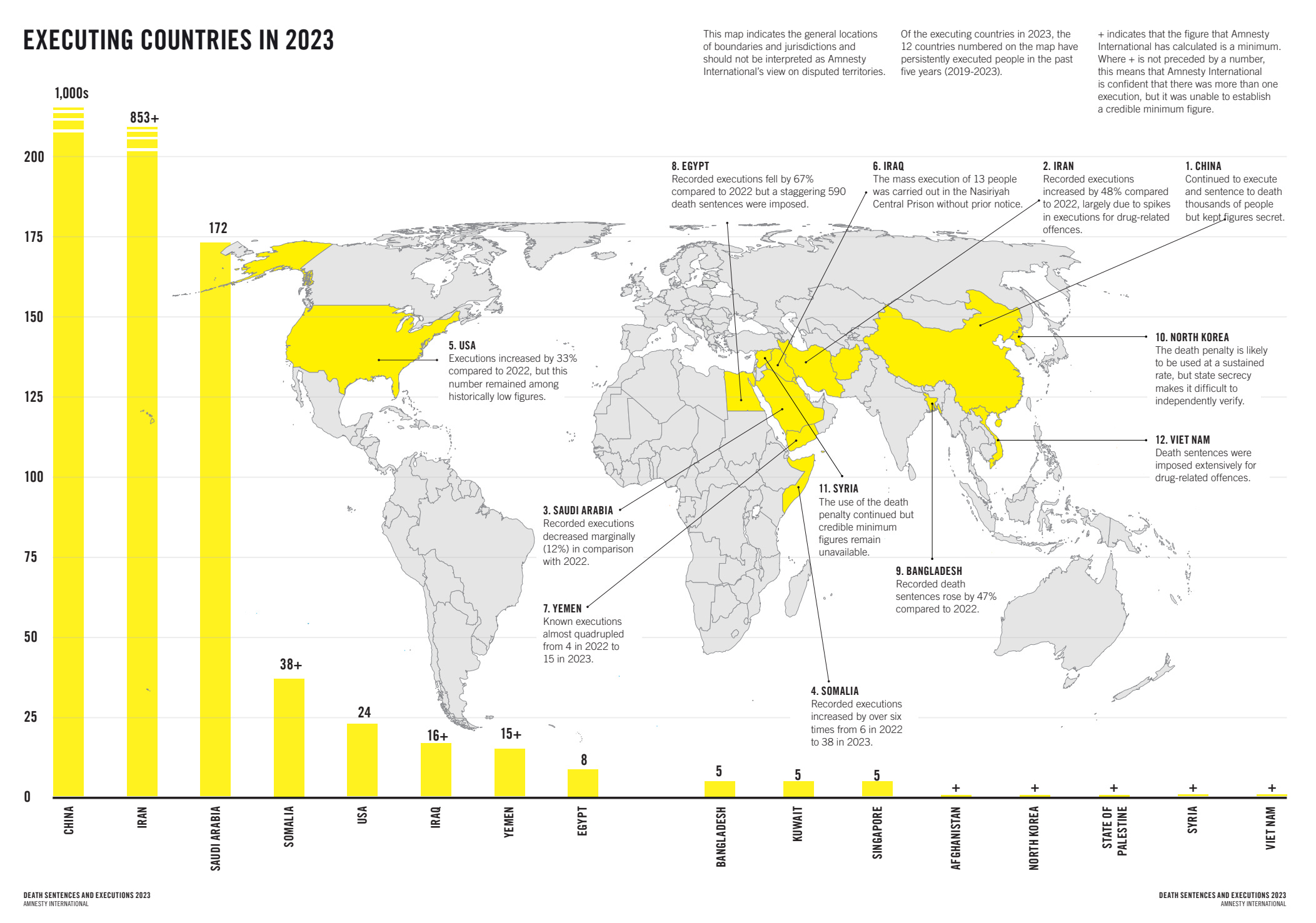
The actual number of executions may be significantly greater since states like China and North Korea keep their numbers secret. Most of these countries are located in the Middle East and Asia, but there is one highly-developed country and one of the few on this list with a democracy that stands out: The United States of America.
This report about the death penalty will focus on its continuous use in the United States. It will highlight how, in a democracy, the death penalty is used against helpless and wrongfully convicted inmates in horrifying ways and how some of the highest institutions in the U.S. approve of its use.
The numbers & laws
In 2023, 24 people were executed in the United States. Apart from a brief period in the 1970s, when a 1972 Supreme Court decision suspended the death penalty, which was later reversed by the same court in 1976 (Gregg vs. Georgia), there have been executions every year since data recording started.
When we look at executions in the United States, one must differentiate between state and federal executions. Depending on whether a criminal was convicted in federal court or the court of a state puts the responsibility to administer the death sentence in different hands where different laws apply.
Donald Trump’s work
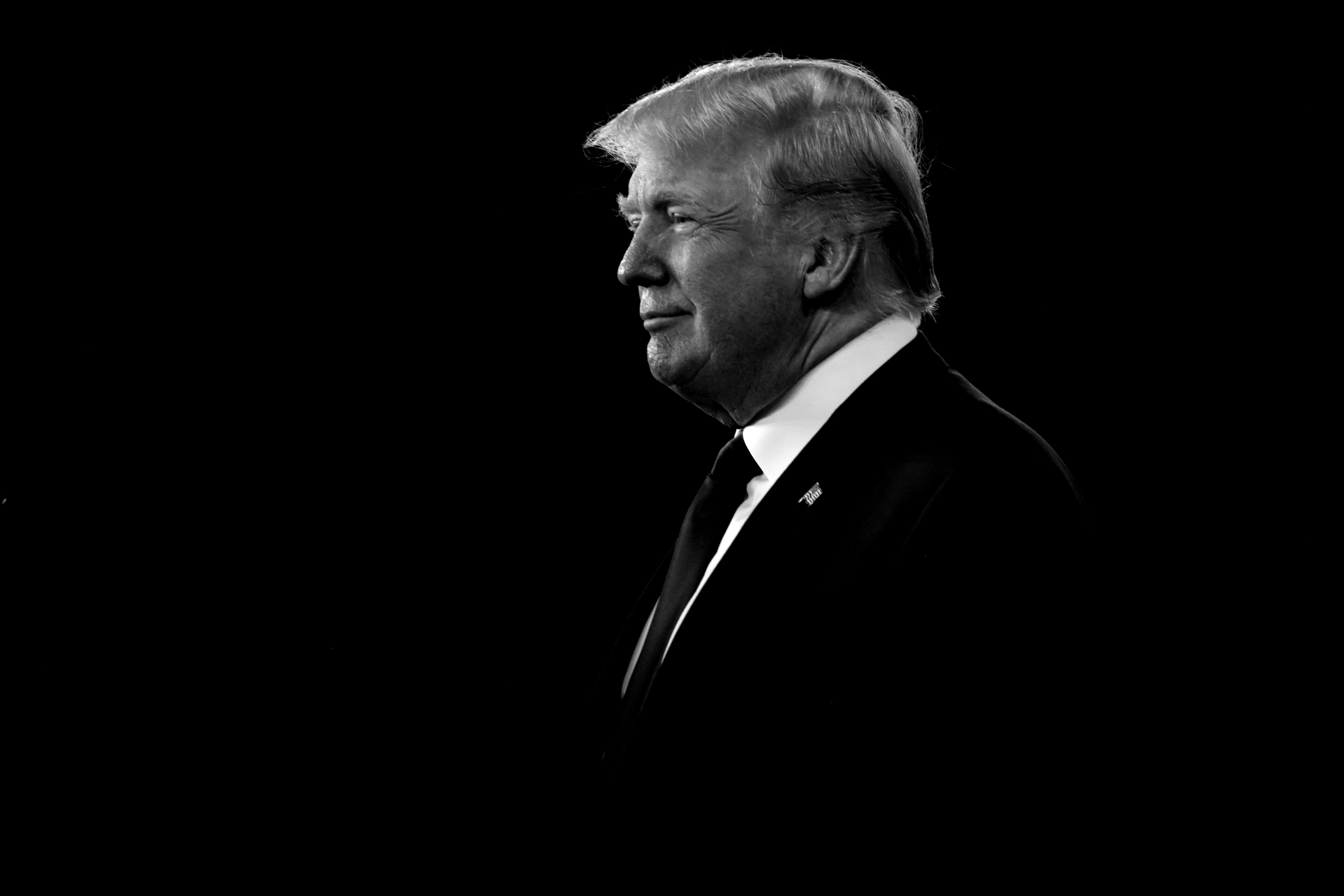
Since 2000, there have been only 16 federal executions, as most presidents paused the method. Three of those happened under the first term of G. W. Bush in 2001 and 2003, and a sweeping 13 prisoners were executed in 2020 after Donald Trump put the method back to use. It was also the first time since the late 1800s that prisoners got executed during presidential transitioning terms. The last inmate, Dustin John Higgs, was executed just five days before Democrat Joe Biden took office, who quickly put a moratorium (pause) on all federal executions. Donald Trumps rush to have these 13 inmates executed before his successor took office was described in detail in the Rolling Stone Magazine’s Article “Trump’s Killing Spree”, which outlined the former President’s efforts to get as many death row inmates executed as possible. It is also noteworthy that almost half (6) of those executed on his watch were black.
It is expected, should he return to office next year, that his enthusiasm for the death penalty will end the pause of federal executions that existed under Biden’s watch.
While President Biden was able to pause federal executions, he is powerless when it comes to state executions. 12 states in the US still actively use the death penalty and have carried out at least one execution in the last ten years. These states are located in the south of the US and are almost all controlled by the Republican Party. The 24 executions in 2023 were all state-level executions carried out by five of these 12 states. Only the state government, not the President, can intervene here. The governor of each state has the right to grant clemency to death row inmates, which reduces the death sentence to a life sentence. Most Republican Governors barely use this tool of mercy, even when the prosecution and experts call for it in the wake of innocence claims and new evidence. Another powerful institution that can intervene in the case of new evidence or a possibly unfair conviction is the justice system, up to the Supreme Court.
Innocence, Horror and Pain
The next sections will show, how Republican governors and conservative judges have upheld the death penalty for both questionable convictions and cruel methods.
The case of Eugene Smith - An experiment by the state
First, we will take a look at a case that had no calls to halt the execution based on innocence claims or new evidence. No, the murder conviction of Kenneth Eugene Smith was waterproof. In 1988, he brutally murdered Elizabeth Sennet after having been hired by her husband. A jury convicted him and gave him a life sentence, which was overruled and turned into a death sentence by the trial judge.3 Such changes in a jury’s decision are now illegal in the United States.
When it came to Smith’s execution, the outrage was not about the fairness of his conviction but about the method with which he was about to be executed.
The execution method is the one part where the U.S. has moved towards more humane laws. Hangings, firing squads, or the infamous electric chair are no longer in use. Instead, executioners use lethal injections, which cause significantly less pain. As Alabama Reporter Marty Roney told the New York Times: “You can always fool yourself in that situation into thinking you’re watching someone fall asleep.”
Nowadays, all executions in the U.S. are carried out by lethal injection. That was until the state of Alabama decided that they wanted to try something new. A method that wasn’t scientifically tested: A Nitrogen gas mask.
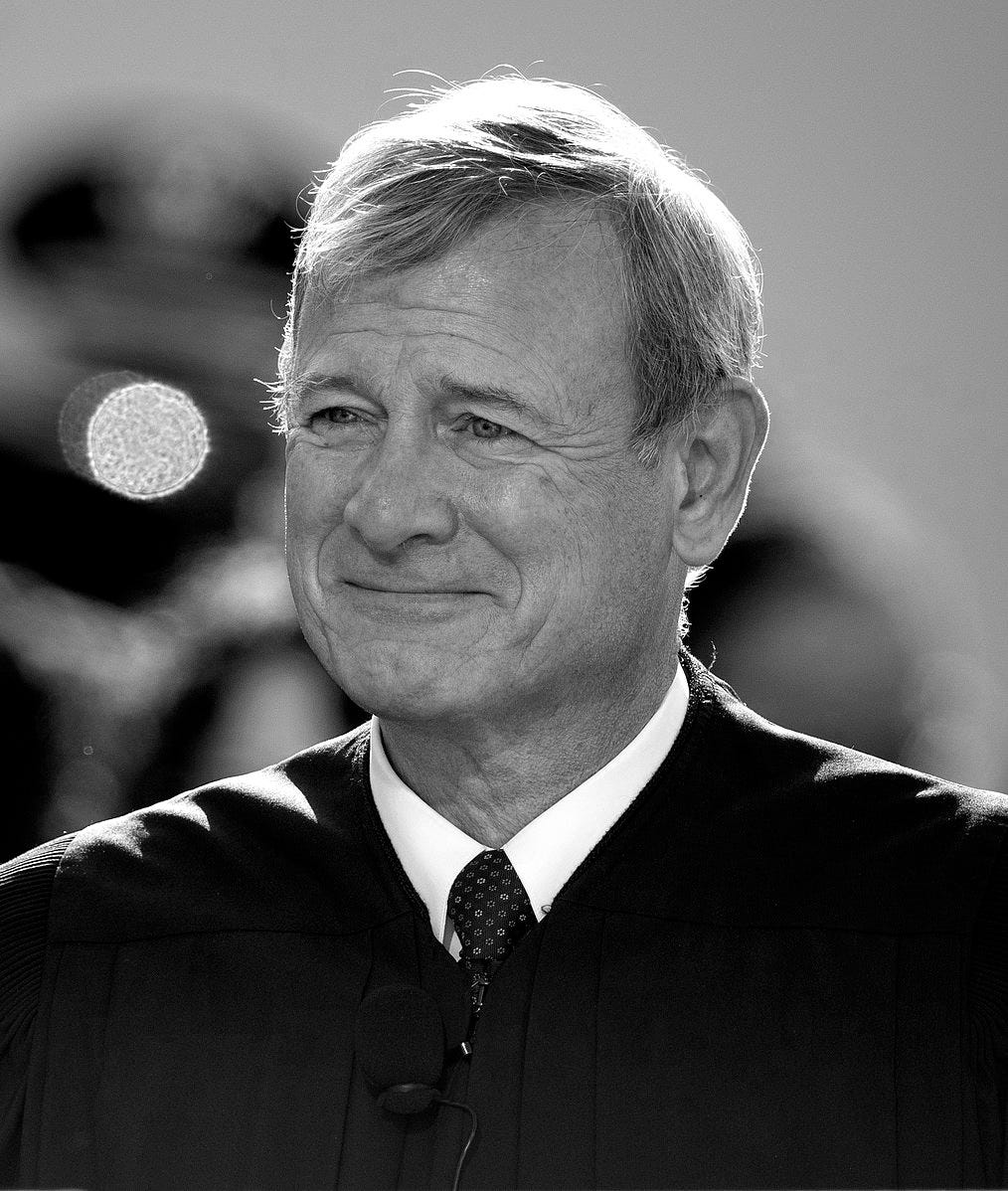
The untested method raised many questions. Euthanasia on animals using nitrogen gas is illegal due to the great suffering it causes. Mr. Smith’s lawyers quickly appealed, arguing that Smith was being treated as a guinea pig by the state of Alabama. The case went all the way up to the Supreme Court and its Chief Justice John Roberts.
The court denied Smith’s appeal in a 6 to 3 vote, with all six conservative justices, including three Trump appointees, led by John Roberts, not giving any explanation for their decision. However, Sonia Sotomayor, one of the three liberal justices who disagreed with the majority decision, wrote a scathing dissent outlining the horror that awaited Mr. Smith. A horror the court allowed to move forward.
In the dissent, she outlined the risk of using such an untested method. She also pointed out the fact that the state of Alabama didn’t find it necessary to use a mask that fits Mr. Smith’s face instead. Instead, they used one that wasn’t airtight, risking that oxygen gets into the mask. This, as Sotomayor writes, raises the risk of the executed to suffocate, leading to a prolonged and painful death.
The most gut-wrenching part about her dissent comes as she writes about as rule that says that officials wouldn’t be allowed to intervene and stop the execution, even if Mr. Smith vomits into his mask, which would cause him to suffocate on his own vomit. How likely was this, to the court presented, scenario? The answer is again shocking because the state of Alabama picked a surprising inmate to test their method.
Before Smith’s execution by nitrogen gas, there had been three attempted executions by lethal injection that all failed. Mr. Smith was three times brought to the gurney, strapped in, and thought he’d live his last moments, only for the executors to fail again and again. At times he was strapped in for hours.
According to expert testimony, this led to Smith developing symptoms of post-traumatic stress disorder ahead of his executions. One of those symptoms was vomiting. Nevertheless, the court denied his request and allowed Alabama to carry out the execution on the 25th of January. After Governor Ivy rejected calls to grant clemency to Smith, nothing could the execution anymore.
Only a select few reporters were allowed to attend. Their reports all agree on one thing: The execution did not go as painlessly as the state of Alabama promised. The following paragraphs contain statements of these witnesses. Its content may be upsetting to some readers. For those, we suggest skipping forward to the section about Marcellus Williams.
When the curtains opened for the execution, Mr. Smith was strapped in the gurney, mask over his face. He calmly smiled at the members of his family one by one. He had been read to by the Rev. Jeff Hood and in his last words he called out the state of Alabama: “Tonight, Alabama causes humanity to take a step backwards”. Then, the gas started flowing. The state of Alabama had assured the courts that Mr. Smith would pass out after a few breaths. It didn’t happen.
For at least five minutes, he cramped and wrestled his restraints as if he were trying to escape his pain. Although he didn’t vomit into the mask, his long and painful death was described by reporter Roney to the NYT as “[…] something I never want to see again.”4
Smith’s guilt was never in question. He even refused to write a letter of apology to the victim’s family. He deserved to spend the rest of his life behind bars, but the inhumanity of his suffering and his painful demise by state-sanctioned murder showed the cruelty that capital punishment can possess. A cruelty that goes way beyond the question if state-sanctioned murder is ever justified.
The case of Marcellus Williams - The murder of an innocent man?
Imagine this: You are convicted of a murder you promise you never committed. Against you stand two witnesses that incriminate you. The victim's bloody clothes were found in your car. Are you guilty?
A jury of 12 answered this question with yes when deciding about the life of African-American Marcellus Williams. They came to their verdict based on the evidence presented to them and only applied the law as instructed. Nevertheless, this was not the end of the story.
Years later, problems about the trial came to light. The most damning one: Not a single piece of DNA at the murder scene belonged to Marcellus Williams. The knife and the fingerprints on its handle also didn’t belong to Williams, but to a prosecutor who touched it without gloves. Such cases of mishandling evidence often cause convictions to be thrown out and new trials to be ordered. Williams did not have that luck.
Then, another issue with Williams’ trial emerged. At jury selection, where 12 people get selected out of a pool of citizens, something odd happened. When a black man was poised to be seated on the jury, the prosecutor struck him from the jury pool on the grounds that he “looked like the defendant”. In other words, he was dismissed from the jury pool because he was black, something that is illegal in every court in the United States. The errors that happened in the trial were so striking that even prosecutors and the victim’s family asked the courts and the state to spare Williams’ life.5
The courts of Missouri didn’t find these issues with the case to be problematic and so the execution went forward as planned. Soon, public outrage started to gain traction. A black man awaiting execution, sentenced to death by an all-white jury on questionable evidence. This was a story that quickly garnered much attention. To what end? To reach the only person who had the power to grant clemency to Williams and commute his death sentence: Missouri Governor Mike Parson. Parson, a Republican, did not see any reasons that could justify sparing Williams's life. Even when the public outrage led to a petition that reached a million signatures. A petition that was supported by the Innocence Project, an organization that represents jailed people with innocence claims, and Amnesty International.
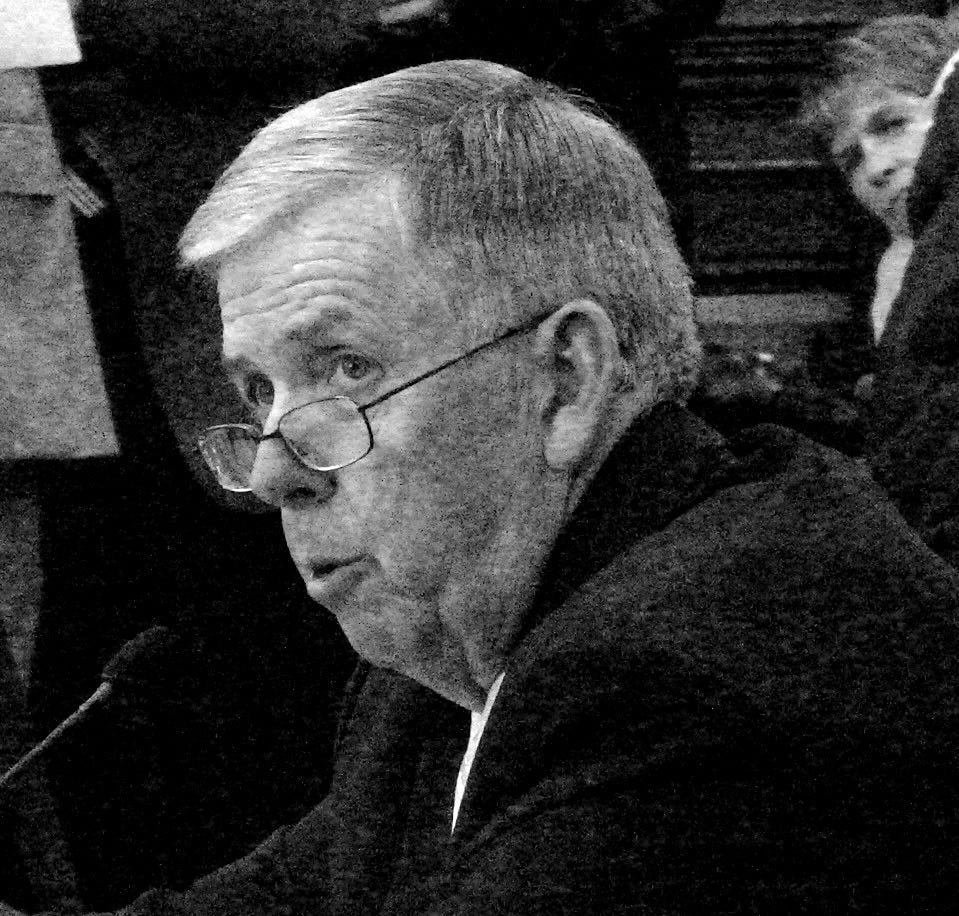
With Gov. Parson unyielding and the execution by lethal injection just hours away, Williams turned to the last possible rescuers: The United States Supreme Court. He didn’t ask them to strike down his conviction. He merely asked them to hear his case, which would have halted the execution.
But again, the Supreme Court denied the request with another 6 to 3 decisions. The conservative judges didn’t explain why there was no time or reason to halt his execution. 6
Marcellus Williams was executed on Sept. 24th 2024 at 6 p.m.
More than 2.200 people are still on death row in the United States. For every 8.3 inmates that are executed, one is exonerated. The current election campaign, which is focused on inflation, immigration, and abortion let the presented cases slip into the background. In 2020, when racial tensions played a central role after the killing of George Floyd, cases like the one of Mr. Williams would have likely sparked even more outrage.
But America, like Germany, France, and Italy has moved to the right in the wake of inflation and immigration. Even Democrats are now so focused on a more moderate platform, that they quietly removed the abolishment of the death penalty from their party platform. A move that was certainly done to consolidate moderates and win a coin-toss election, but it is striking that in America, the abolishment of the death penalty to avoid such tragic cases is considered a progressive policy.
Coming Up - Stop the execution of Robert Roberson
Robert Roberson faces execution on OCTOBER 17th, despite strong evidence of his innocence. Only Texas Governor Gregg Abbott can stop the execution. One of the people fighting for Roberson’s life and exoneration is the former detective who put him behind bars.
The Editorial Board of the New York Times is one of the leading voices calling for the abolishment of the death penalty. Take a look at their short video about Roberson’s tragic case:
This Video is produced and owned by the NEW YORK TIMES
https://www.amnesty.org/en/what-we-do/death-penalty/
https://www.amnesty.org/en/documents/act50/7952/2024/en/#:~:text=Amnesty%20International's%20monitoring%20of%20the,2022%20to%2016%20in%202023.
https://en.wikipedia.org/wiki/Execution_of_Kenneth_Eugene_Smith#Sentencing_and_appeals
https://www.nytimes.com/2024/02/01/us/alabama-nitrogen-execution-kenneth-smith-witnesses.html
https://edition.cnn.com/2024/09/24/us/marcellus-williams-scheduled-execution-date/index.html
https://www.pbs.org/newshour/politics/supreme-court-rejects-final-request-to-halt-execution-of-marcellus-williams